Human Design gate
Human Design Gate 1: Raw Originality
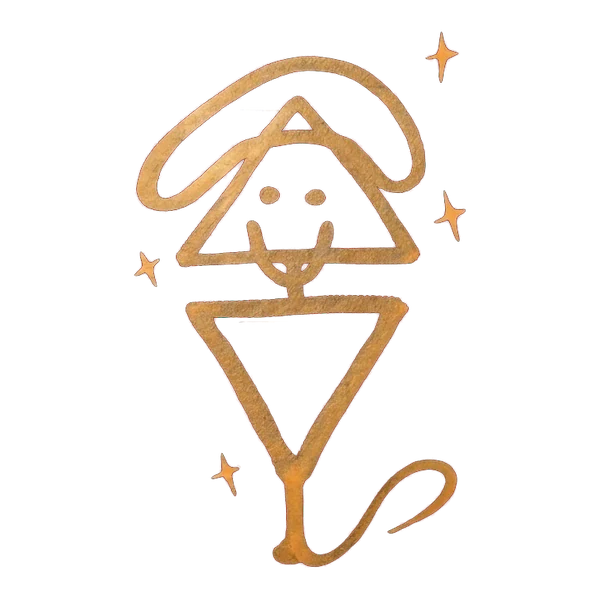
Gate 1 is one of the eight gates in the G center in Human Design, and Twelve Houses calls it Raw Originality. It sits at 13°15′ to 18°53′ Scorpio and connects to gate 8 in the Throat through channel 1-8.
What gate 1 is
In plain EnglishGate 1 is the pull to make something nobody has made, in your own odd style.
A gate is one of 64 numbered slots on the Human Design wheel. Each slot matches a 5°37′ stretch of the zodiac, and a chart lights it up when a planet sits in that stretch at birth. Gate 1 covers 13°15′ to 18°53′ Scorpio, and it belongs to the G center, the part of the bodygraph the system ties to identity and direction.
Twelve Houses calls it Raw Originality. The theme is a first draft that carries your fingerprints: the strange playlist, the hand-drawn logo, the recipe that is not quite a recipe. Human Design is a modern system, dated to 1987, and not science. Read the gate as a way to describe a style, not as a prediction.
When gate 1 is defined
In plain EnglishDefined means your chart has this gate lit, so the pull is steady and visible to other people.
You can have gate 1 defined in two ways. The conscious (black) side comes from your birth moment. The unconscious (red) side comes from about 88 days earlier.
At work, a person with gate 1 is often the one who hands in the version nobody expected. The project brief says “a flyer,” and they send a small zine. Friends know them for taste that does not follow trends.
The gift is a recognizable voice. The trap is mood. The system says this energy does not arrive on demand, so a person with it can sit in front of a blank page for an hour, then write the whole thing in twenty minutes at 11 pm. Calling the quiet hour a “block” usually makes it worse.
When gate 1 is open
In plain EnglishOpen means the gate is not lit in your chart, so you pick up originality from the people and places around you. An open gate 1 does not mean you lack ideas. The system says you take on the creative tone of the room. In a studio full of experimenters you may suddenly feel inventive, and at a desk full of templates you may reach for one too.
The gift is range, since you can read what a creative setting needs. The trap is judging your own output against someone else’s strong signature. Try making things near people whose style you like, and then notice what stays after they leave.
The six lines of gate 1
In plain EnglishEach gate has six lines, like six rooms in one house, and your line says which room you stand in.
Human Design teachers read lines differently, and this is our own reading, not a standard text.
- Line 1: The quiet maker. You get a strong idea and need privacy and a solid base of knowledge before you show it.
- Line 2: The natural. The odd, original thing comes out of you without effort, and you are surprised other people want it explained.
- Line 3: The tester. Your first versions go wrong in public, and each wrong version teaches you what your style is.
- Line 4: The sharer. Your originality travels through friends, so the group chat, the studio or the team matters.
- Line 5: The one people project onto. Others expect your work to solve their problem, and you either meet that or disappoint it.
- Line 6: The long view. You may watch from the edge for years, then produce something that looks calm and finished.
Channel 1-8 and gate 8
In plain EnglishA channel is a link between two gates, and gate 1 has exactly one: the one to gate 8.
Channel 1-8 joins gate 1 in the G center to gate 8 in the Throat. The system labels it Inspiration, and our name for it is Original Example. The picture is a person who makes something personal and says it out loud, so others copy the move.
If both gates are active, the channel is defined and the G center has a direct wire to speech and action. If only gate 1 is active, you hold the creative pull without a built-in outlet. Waiting for the right mood is common, and so is realizing later that you needed to show the draft to someone before it felt finished.
A useful test is where the idea gets clearer, out loud or alone at the desk. People with gate 1 on its own often say “alone,” and then wonder why the draft sits in a folder for months.
The G center around it
In plain EnglishThe G center is where the system puts “who am I and where am I going.”
Gate 1 shares the G center with seven other gates: 2, 7, 10, 13, 15, 25 and 46. Gate 2 sits in the same center and is about direction, where gate 1 is about the thing you make. Read the whole G center page to see how the pieces fit.
When the Sun is in gate 1
In plain EnglishThe Sun moves through every gate once a year, so your birthday tells you which Sun gate you have.
In 2027 the Sun is in gate 1 from about November 5 to November 11 (dates in UTC, so a day can shift with your time zone). Someone born in that window has gate 1 as their conscious Sun gate. To see every gate in your own chart, use the Human Design chart tool.
- Personality (conscious)
- Design (unconscious)
Where gate 1 sits
0 of 9 centers defined, 0 channels, 1 gates. Tap a center to read about it.
- Head, open
- Ajna, open
- Throat, open
- G center, open
- Heart, open
- Spleen, open
- Solar Plexus, open
- Sacral, open
- Root, open
For entertainment and self-reflection.
Questions people ask
- What does gate 1 mean in Human Design?
- It is the gate the system links to creative self-expression. In plain terms, it describes the pull to produce something that looks like you and not like the template.
- Which gate does gate 1 connect to?
- Gate 1 connects to gate 8 in the Throat through channel 1-8. When both gates are active in a chart, the channel is defined and the G center has a direct line to speech and action.
- When is the Sun in gate 1?
- In 2027 the Sun passes through gate 1 from about November 5 to November 11. People born in that window have gate 1 active in the conscious, black column of their chart.
For entertainment and self-reflection.